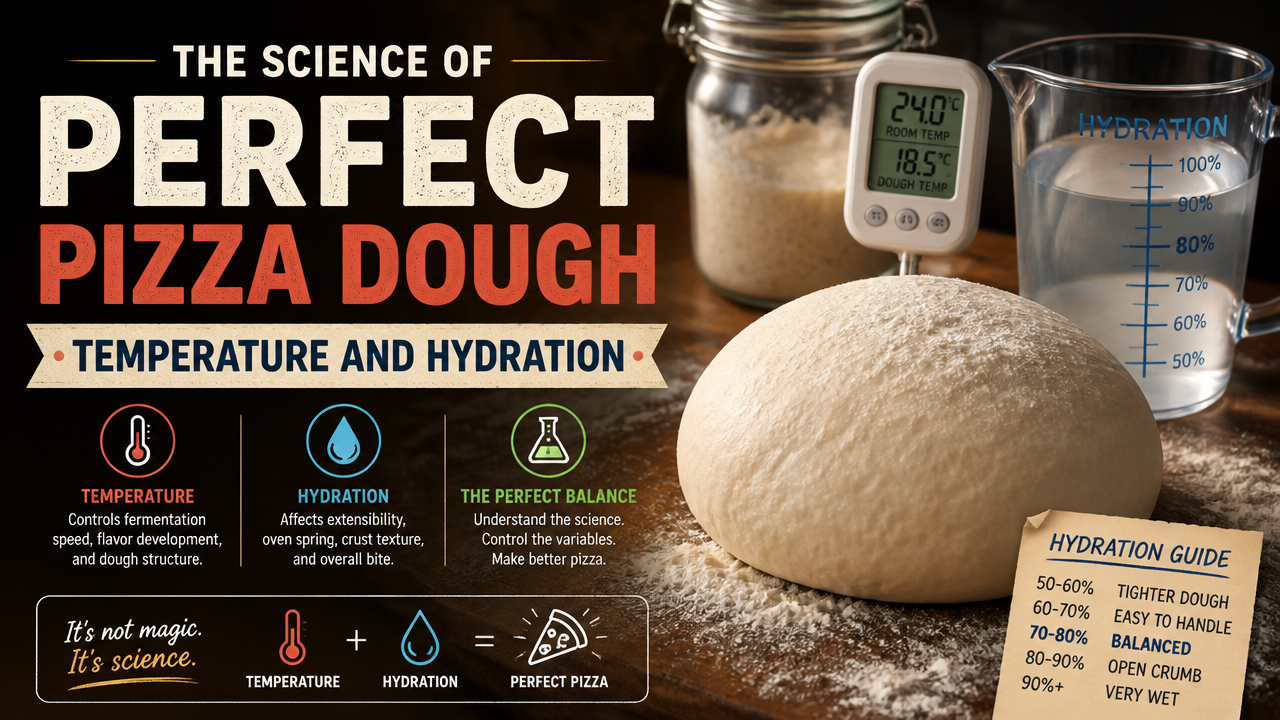
Pizza Making – Dough Mixing
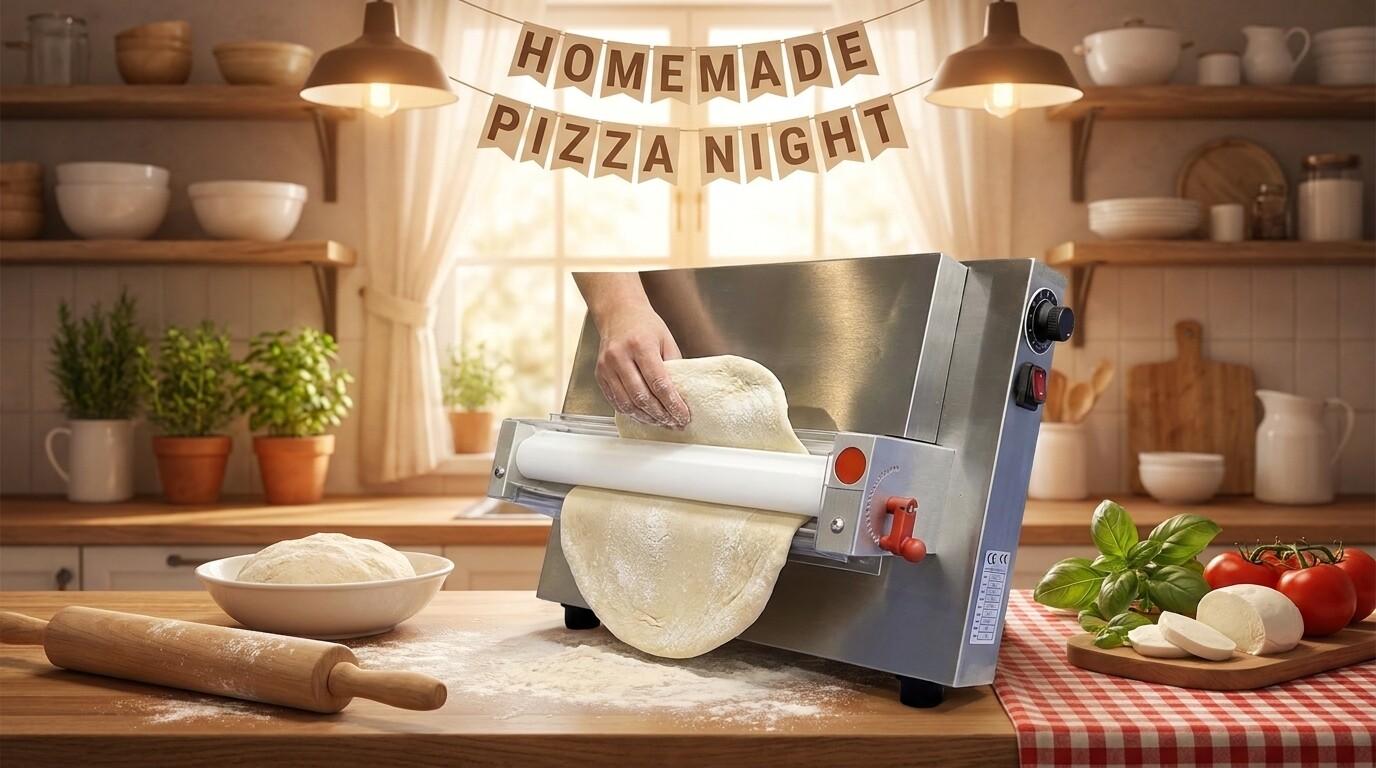
Pizza Making – Dough Mixing
Once all ingredients are ready for pizza preparation, the first step is dough mixing, followed by dough formation, with fermentation occurring before and after this stage.
Dough mixing is the process of thoroughly blending and kneading flour with water and other auxiliary ingredients in specified proportions. There are two mixing methods: manual mixing and machine mixing.
Manual mixing is relatively straightforward and follows a similar workflow to machine mixing. Below is a brief introduction using a dough mixer as an example.
Flour-to-Water Ratio
All ratios are calculated by weight. The standard flour-to-water ratio is approximately 1:0.55. The exact water quantity depends on the water absorption capacity and moisture level of the flour. Generally, high-gluten flour requires less water while low-gluten flour needs more. Adjust flexibly according to your actual operation.
Ratios of Flour, Water, Salt, Yeast, Sugar and Olive Oil
For a standard pizza dough (by weight): Flour 100%; Water 55%; Salt 2.2%; Instant dry yeast 2%; Sugar 2%; Olive oil 2%.
Dough Mixing Procedure (Dough Mixer)
Pour flour and water into the mixing bucket at a 1:0.55 ratio. Add them gradually, or reserve a small portion. After starting the mixer, slowly add the remaining flour or water according to the dough’s consistency. This allows on-the-spot adjustment and prevents overflow from an overfilled bucket when the machine starts.
Dissolve yeast in an appropriate amount of warm water at around 30°C, then pour the mixture into the flour in the mixing bucket.
Add sugar, start the mixer on low speed and stir for about 3 minutes, until the flour and water form crumbly dough flakes.
Add salt to the dough flakes and continue mixing on low speed for roughly 7 minutes. Next, add olive oil and switch to high speed for about 5 minutes. Stop mixing once the dough surface develops a "pumpkin texture".
Tips
Order of ingredient addition:
Do not mix salt and yeast directly when adding ingredients. Salt affects yeast activation due to its physical and chemical properties.
Sugar serves as a nutrient for yeast and may be added together with the yeast solution.